



Blog Details
Threaded Brass Pipe Fittings: Types, Uses & Benefits Explained
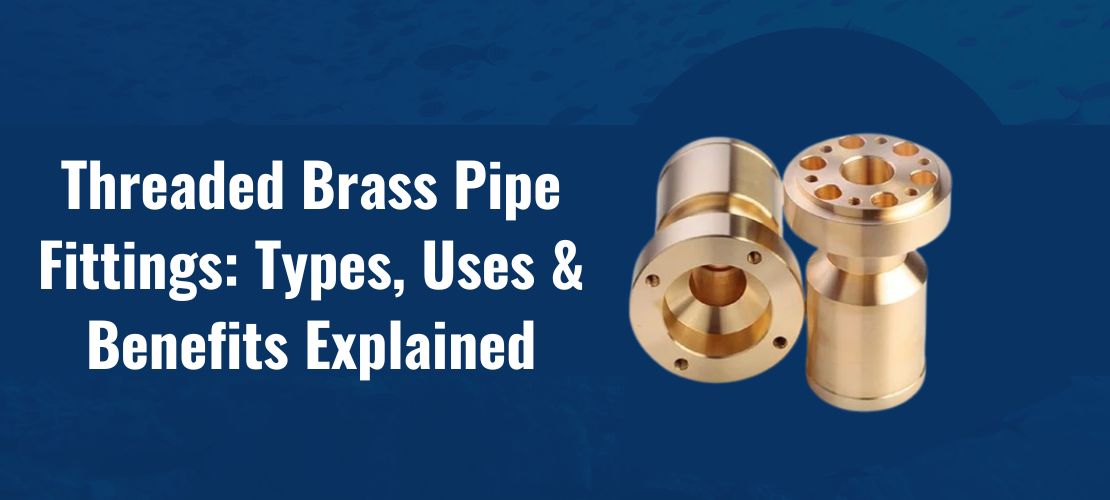
Choosing the right pipe fitting is essential for building a reliable and long-lasting piping system. Poor-quality fittings can lead to leaks, corrosion, and costly maintenance over time. That’s why threaded brass pipe fittings are widely trusted across plumbing, gas distribution, and industrial applications.
Known for their durability, corrosion resistance, and easy installation, these fittings offer a dependable solution for both residential and commercial use.
In this post, we'll take a look at the different types, uses, and good points of threaded brass pipe fittings. We'll also talk about why going with a well-known brass parts manufacturer india can make a big difference.
What Are Threaded Brass Pipe Fittings?
Threaded brass pipe fittings represent parts of brass material which connect pipes through threaded interfaces. Brass material consisting of copper with zinc content stands out because of its strength combined with dual flexibility and its resistance to rust which makes it ideal for use in pipe systems.
These fittings achieve a seal that prevents leaks because of the threads, which are essential for systems transmitting water, air, chemicals, or gas. This means you can use them for many different jobs in Indian homes and factories.
Choosing the Right Brass Parts Manufacturer in India
The quality of fittings depends heavily on the manufacturer. Choosing a reliable brass parts manufacturer in India ensures:
- Use of high-quality raw materials
- Precision engineering and accurate threading
- Compliance with national and international standards
- Availability of multiple sizes and configurations
- Consistent supply and customization options
Working with a trusted supplier helps ensure long-term performance and reliability.
Types of Threaded Brass Pipe Fittings
- Threaded Couplings: Couplings are straight fittings that join two pipes of the same size. They offer a basic and reliable way to make a piping system longer.
- Threaded Reducers: They help to connect pipes that have different sizes. You can't do without them when the system flow changes between pipes of various diameters, as they keep things running.
- Threaded Adapters: Adapters are flexible fittings that link different types of pipes or fittings. For example, they can change a threaded connection to another joining method.
- Threaded Cross Fittings: Cross fittings have four threaded openings and are often used in systems that need to divide fluid. They're great for creating spots where fluid or gas flows meet.
- Threaded Unions: Unions are unique couplings that make it easy to disconnect pipes or fittings. People use them in systems that need regular upkeep or part swaps.
Benefits of Using Threaded Brass Pipe Fittings
- Corrosion Resistance: Brass beats iron and steel in resisting rust and corrosion. This makes brass good for application in lines carrying water and gas.
- Durability: These fittings can last for a few decades without much maintenance. Since they are extremely strong, they perform well under high pressure.
- High temperature tolerance: Brass can handle both hot and cold fluids.
- Easy to Install: No need of special tools for installation, saving time and therefore labor.
- Non-leaking joints: Threads get a good grip and lessen the chances of leaks, which is a major parameter for gas and water blanking off pipes.
- Can Be Used Again: Unlike welded or glued parts, you can take off and reuse threaded brass fittings, making them cheaper over time.
Typical Uses of Threaded Brass Pipe Fittings
- Plumbing Systems: They see wide use in home and business plumbing because they can handle pressure and high heat.
- Gas Supply Lines: Brass fittings outperform both plastic and iron fittings, and they remain durable under hot and cold temperature environments.
- Industrial Applications: Processing facilities employ brass connecting fixtures to unite their pipes which transport industrial materials such as chemicals and oil and other processing liquids.
- Agricultural Irrigation: Farmers prefer brass fittings in irrigation systems because they last long and perform well.
- HVAC Systems: Heating ventilation systems as well as air conditioning depend on brass to operate as a connector between different parts of pipelines.
Maintenance Tips for Brass Pipe Fittings
- Regular Inspection:Support staff should inspect high-pressure points to detect signs of wear and corrosion damage.
- Proper Tightening: The fitting process requires avoiding excessive force because it threatens the thread integrity.
- Use of Teflon Tape:The implementation of Teflon Tape enhances both sealing properties and protects threaded connections from any kind of damage.
- Cleaning:Clean threads before you install them to get a tighter and neater fit.
Common Uses of Threaded Brass Pipe Fittings
These fittings are widely used across various industries:
- Plumbing Systems – Residential and commercial water supply
- Gas Supply Lines – Safe and durable gas connections
- Industrial Applications – Used in chemical, oil, and fluid systems
- Agricultural Irrigation – Reliable performance in water distribution
- HVAC Systems – Connecting heating and cooling pipelinesChoosing the Right Brass Parts Manufacturer in India
Conclusion
Brass parts manufacturer India with an effective and sturdy yet economical plumbing and industrial solution. These fittings prove popular across industries because they are easy to use and show good adaptability while offering resistance to damage.
Standard practices in brass parts manufacturing call for selecting reliable suppliers based in India to procure fittings which endure while maintaining their quality. Brass components serve as the preferred solution for industrial and domestic piping systems because of their excellent reliability qualities.
Read More: How to Solder Copper Pipe to Brass Fitting
FAQs
Q1. What are threaded brass pipe fittings used for?
Ans: They are used to connect pipes in plumbing, gas, and industrial systems.
Q2. Do brass fittings rust?
Ans: No, brass is highly resistant to rust and corrosion.
Q3. Are brass fittings better than plastic?
Ans: Yes, brass fittings are more durable, heat-resistant, and long-lasting.
Q4. Can threaded brass fittings be reused?
Ans: Yes, they can be removed and reused without losing effectiveness.
Q5. Are threaded brass fittings suitable for drinking water systems?
Ans: Yes, most brass fittings are safe for potable water applications, especially when they meet relevant safety standards and are lead-free.
Q6. What are the advantages of threaded fittings over welded connections?
Ans: Threaded fittings are easier to install, require no special equipment, allow quick disassembly, and are ideal for maintenance or temporary setups.
Q7. Can threaded brass fittings handle high pressure?
Ans: They can handle moderate to high pressure, but the exact capacity depends on the fitting design, size, and thread type. Always check manufacturer specifications.