



Blog Details
What Are the Disadvantages of Brass Fittings
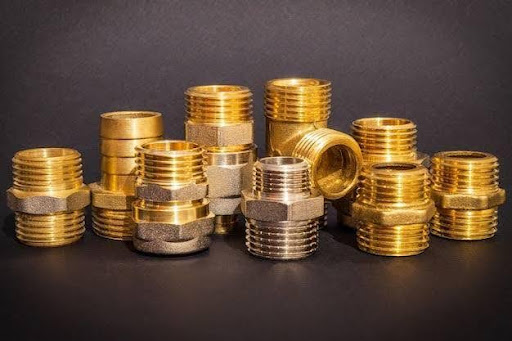
Brass fittings are widely used in plumbing and construction due to their durability and attractive finish. However, like any material, they have certain drawbacks. Understanding these disadvantages can help you make an informed choice for your project, weighing the benefits against potential limitations.
Disadvantages of Brass Fittings
The below list highlights the biggest disadvantages of brass fittings:
Corrosion and Tarnishing
Brass fittings can tarnish or corrode over time. While brass naturally resists corrosion, exposure to chemicals or environmental factors may cause a greenish or bluish-green patina, affecting appearance and performance.
Cost
Brass fittings are generally more expensive than plastic or galvanized steel alternatives. Although their long lifespan may offset the initial investment, cost considerations are important, particularly for large-scale projects or budget-sensitive applications.
Weight
Brass is heavier than many alternative materials, which can complicate handling, installation, and support design, especially in large fittings or high-rise buildings. While brass can handle pressures up to 3000 psi, its weight should be considered in structural planning.
Risk of Lead Emission
Older brass fittings (pre-20th century) may contain lead, which can leach into drinking water under certain conditions. Modern plumbing-grade brass is typically lead-free, making it safer. For older systems, regular inspections are recommended to prevent health risks.
Thermal Expansion
Brass has a greater coefficient of thermal expansion than some materials. Brasses extend and contract significantly more than some materials in response to changes in temperature when compared to alternatives like PEX piping or stainless steel fittings.
Although extension and contraction are the source of little trouble in most uses, they are potentially important considerations when large ranges of temperature might be experienced or where the connecting part will be subject to significant changes in temperature in plumbing systems.
All such situations demand proper installation with extra special care given to thermal expansion joints so that leakage or even other problems may not emerge. Additionally, brass is not recommended for use above 400°F operating temperature.
Not so Flexible
Brass fittings are rigid and less adaptable compared to flexible materials like PEX or CPVC. In cramped or complex spaces, this rigidity can make installation more challenging.
Dezincification
This is corrosion that specifically attacks brass fittings with acidic content in water. It particularly targets the zinc particles within the brass alloy for its removal, thereby leaving it porous and, hence, weak in structure. The results of this type of deterioration are a leak and lowered flow and, consequently, the collapse of the fitting. A way in which dezincification is avoided is with brass fittings that contain additives to combat this type of corrosion degradation. The water supply grade will also need to be compatible with brass.
Noise andVibration
Brass fittings are very noisy and vibrating because the brass used is of very brittle consistency.This may be quite evident in a piping system that has a high-pressure or velocity flow of water. Though not such a huge issue in most applications, it can become an issue in noise-sensitive locations. For example, this is problematic in bedroom or office spaces. Installation techniques should include vibration-dampening materials and soundproofing methods to reduce noise and vibrations.
Maintenance Requirements
Brass fitting should be serviced periodically in order to ensure that it achieves long-term performance and life in brass fittings. It should be cleaned because it can happen, if not done, to a layer of dust, grime, or mineral residues. Clean and inspect regularly for signs of corrosion, leakages, etc. Again, a brass fitting will attain a prolonged life period owing to reduced risks of possible brass fitting troubles if done properly.
Temperature Limitations
Brass fittings are used in various plumbing and industrial applications due to their reliability, yet they still have their drawbacks when subjected to high and low temperature extremes. The mechanical strength of brass can get reduced with very high temperatures, although it is generally acceptable for hot and cold water systems.
Moreover, if brass fittings are constantly subjected to temperatures over the recommended limit (around 400°F / ~200°C), the metal may get softened or lose its stability and thus, could get deformed or lead to leakages or even the fitting coming apart prematurely.
Conclusion
Brass fittings offer durability, aesthetic appeal, and high-pressure resistance. However, potential drawbacks—such as corrosion, cost, weight, lead content in older fittings, thermal expansion, rigidity, dezincification, and noise—should be considered before selecting them. Consulting a qualified plumber or engineer can help determine the best choice for your specific application.
Read More: The Best Brass Bath Fittings Manufacturers in India for Modern Bathrooms
FAQs
Q1. What are the main disadvantages of brass fittings?
Ans: Brass fittings may corrode or tarnish, are heavier and costlier, can contain lead in older types, expand with heat, lack flexibility, and may require regular maintenance.
Q2. Do brass fittings corrode easily?
Ans: Brass does not rust, but it can tarnish and corrode over time due to moisture, chemicals, or water quality, forming a patina that may reduce long-term durability.
Q3. Why are brass fittings more expensive than other materials?
Ans: Brass fittings cost more due to higher raw material prices, superior durability, precision manufacturing, and longer service life compared to plastic or steel options.
Q4. Can brass fittings cause lead contamination in water?
Ans: Older brass fittings may contain lead, which can leach into water if corrosion occurs. Using certified lead-free brass is essential for safe drinking water systems.
Q5. How does thermal expansion affect brass fittings?
Ans: Brass expands and contracts with temperature changes, which can stress joints and seals. Proper installation is necessary to prevent leaks caused by thermal movement.
Q6. Are brass fittings flexible enough for complex plumbing layouts?
Ans: No, brass fittings are rigid and less adaptable, making them less suitable for complex or curved layouts compared to flexible materials like PEX or CPVC.