



Blog Details
What are the different types of brass materials?
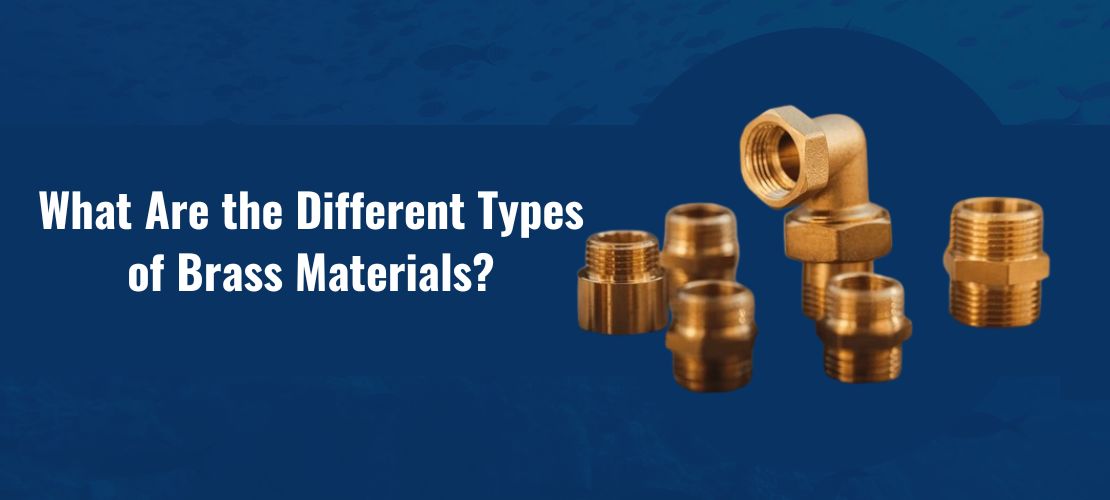
Brass also known as CuZn, exhibits high durability, high endurance to corrosion, high endurance to wear and tear, and has an appealing golden color. Thus, the combined properties mentioned above make brass a preferred material in many industries especially in making fittings. If you are looking for a brass fittings manufacturer in India then it is essential to read through the different types of brass materials available so that you can know which should be used for your use.
Analysis of Composition and Variants of Brass
The brass's composition may be changed to improve or alter its characteristics or by including additives including lead, tin, and aluminum. This flexibility leads to the creation of different types of brass materials, each optimized for different uses. Below, we explore some common types of brass materials and their unique characteristics:
Alpha Brass (CuZn)
Alpha brass contains more than 65% copper, giving it excellent cold-workability and formability. Due to its soft structure and attractive golden finish, it is widely used in applications where precision shaping and appearance are important.
- Decorative hardware
- Electrical terminals
- Jewelry and architectural fittings
Alpha brass also offers good corrosion resistance in normal atmospheric conditions, making it suitable for indoor and light industrial use.
Alpha brass exhibits good formability, which is an added advantage when used in specific applications; brass possesses acceptable corrosion resistance; and finally, brass has a pleasing appearance. They are mainly applied in construction architecture and decoration because of their high lightness and smooth surface.
Naval Brass
Naval brass can be compared to admiralty brass with the principal differences including slightly higher copper content accompanied by the addition of tin. This composition gives excellent strength and protection to corrosion more so in marine applications. It’s widely used in:
- Shipbuilding
- Propeller shafts
- Marine Hardware
The uses of naval brass consist of its high levels of corrosion resistance, moderate strength, and great degree of wear resistance. Some examples are marine hardware, ship propellers, bushes, and bearings, etc.
Beta Brass (CuZn15)
Beta brass typically contains 45–50% zinc, which gives it higher strength and hardness compared to alpha brass. However, this also reduces ductility, making beta brass more suitable for hot working and casting processes rather than cold forming. It’s commonly used for manufacturing heavy-duty components like:
- Nuts and bolts
- Locks
- Hydraulic fittings
High-zinc beta brasses are used for their fine casting qualities, fair wear resistance, and lower price than other brasses. It is most widely used in the manufacture of die-cast parts such as locks, hinges, bol, ts, and nuts among others.
Admiralty Brass
Admiralty brass has an approximate composition of 30% by weight of zinc with a minor addition of tin. This combination improves its resistance to dezincification and corrosion, making it ideal for marine and industrial applications, such as:
- Condenser tube
- Heat exchangers
- Piping systems
Free-Machining Brass
Another type of wrought brass is free-machining brass, which contains a limited quantity of lead (1-3%). It is ideal for precision machining processes and is often used in:
- Automotive parts
- Electrical connectors
- Instrumentation components
Free-machining brass contains a small amount of lead (typically 1–3%), which significantly improves chip formation during machining. This makes it ideal for high-speed production of precision components with excellent surface finish. They also provide reasonable corrosion resistance coupled with impressive appearance, thus useful for plumbing fittings, valves, the decorative hardware.
Alpha-Beta Brass (CuZn40)
Alpha-beta brass is also referred to as duplex brass and contains a combination of copper and zinc (55%-65% of copper). This type is suitable for hot working and is often used in the production of:
- Valves
- Gears
- Plumbing components
Numerous brass fittings manufacturers use alpha-beta brass because of the high tensile strength and ease of the machining process. Alpha-beta brasses possess good strength complemented by more significant control of both hot and cold workability as well as reasonable corrosion resistance. The usage is in the constructions, where strength and durability such as in gears, valves, and other fittings are recommended.
Cartridge Brass
Cartridge brass refers to a widely used brass alloy comprising roughly 70% copper and 30% zinc. The alloy is very ductile, corrosion resistant and has decent strength. This alloy is very much flexible, thus, it can be easily formed, bent and shaped. Therefore, it finds application in tubes, fittings, connectors, shells, and in many other industrial and plumbing uses.
What should be the Right Brass Material?
When associated with a brass fittings manufacturer company, there will be availability of high-quality material that can satisfy industry standards. Manufacturers with expertise in brass alloys can offer:
- Customization options
- Stringent quality control
- Timely delivery
- Competitive Pricing
Brass fittings manufacturers in India like Hindustan Brass are well capable of providing excellent quality brass products fulfilling the various needs of the industrial sector.
Conclusion
To be able to make the right choice regarding the type and properties of different types of brass materials you need to learn more about its types of alloys. Alpha brass used for ornamental services, and naval brass for marines proposes different properties to accommodate different requirements.
While ordering brass components, it is important to source them from a trustworthy brass fittings manufacturer in India only to get the best products and services at reasonable rates. Thus you can achieve maximum efficiency and durability in the numerous endeavors involving plumbing, electronics, or heavy industry projects.
Read More: Advantages of Using Brass Pipe Fittings in Residential Plumbing
FAQs
Q1. Which kinds of brass materials are mainly used in industry?
Ans: Common industrial brass materials include Alpha Brass, Beta Brass, Alpha-Beta Brass, Naval Brass, Admiralty Brass, and Free-Machining Brass.
Q2. What is Alpha Brass and where is it mainly used?
Ans: Alpha Brass has over 65% copper and excellent formability, making it ideal for decorative items, jewelry, and electrical connectors.
Q3. What is the difference between Naval Brass and Admiralty Brass?
Ans: Naval Brass offers superior marine corrosion resistance, while Admiralty Brass is designed to resist dezincification in marine and industrial uses.
Q4. Why is Beta Brass stronger than Alpha Brass?
Ans: Beta Brass contains higher zinc content, giving it greater strength and hardness, though with reduced ductility.
Q5. Why is Free-Machining Brass used for precision parts?
Ans: Its lead content improves machinability, making it suitable for precision automotive and industrial components.
Q6. Where is Alpha-Beta (Duplex) Brass commonly used?
Ans: Alpha-Beta Brass is widely used in plumbing fittings, valves, and gears due to its balance of strength and workability.
Q7. What factors should be considered when selecting a brass material?
Ans: Consider corrosion resistance, strength, machinability, and the operating environment before choosing a brass alloy.