



Blog Details
The Essential Role of Brass Sensor Parts in Modern Technology
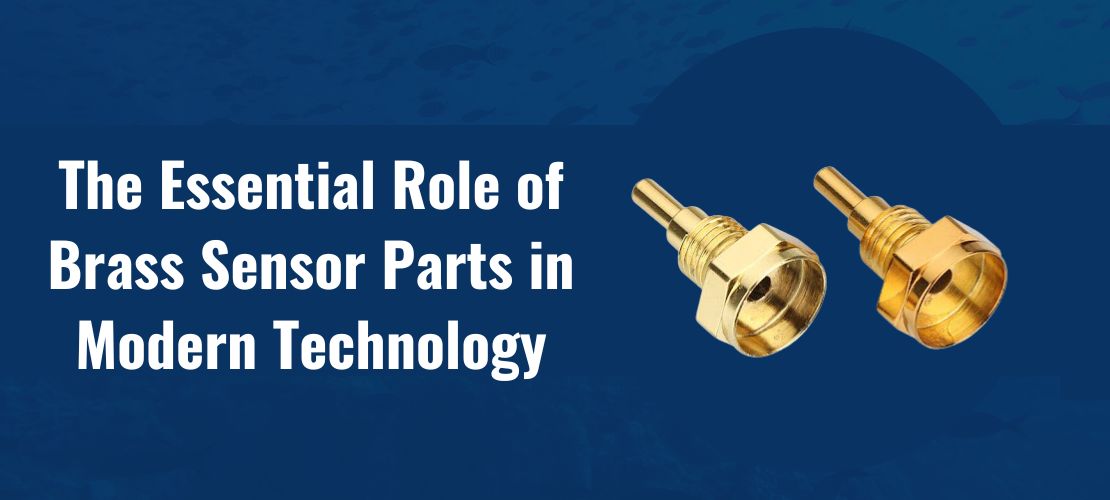
Technological advancement proceeds with speeds that we have not witnessed before. The smooth operation of modern technology depends on precision components because technology uses them in critical applications. The functional integrity of different technology implementations depends heavily on brass sensor components. These elements function as vital connectors to protect accuracy as well as efficiency and durability within different markets.
Different Factors Causing Brass to Become the Optimal Choice for Sensor Parts
According to brass parts Import, the World imported 3,113,179 shipments of Brass Sensor from Mar 2023 to Feb 2024. Due to its versatility, the properties of brass enable this metal to become an optimal choice for sensor parts manufacturing. These are the essential factors that drive engineers to use Brass Sensor Parts in Modern Technology:
Corrosion Resistance
Metallic alloys made from brass resist corrosion effectively when exposed to marine atmosphere and humid environmental conditions. The beneficial properties of brass maintain sensor components' reliable function for extensive application periods within modern technological systems.
Thermal and Electrical Conductivity
The high thermal along electrical conductivity of brass enables it to be perfect for sensor applications that demand seamless signal transmission. Brass Sensor Parts used in temperature sensors pressure sensors, and flow meters provide precise measurement results together with stable operational performance.
Machinability and Durability
The major advantage of Brass Sensor Parts in Modern Technology results from its efficient machining capabilities. Brass material easily takes form into intricate shapes without losing its structural integrity. The material demonstrates excellent qualifications for producing high-precision brass sensor components that serve modern electronic equipment.
Cost-Effectiveness
Brass provides high performance at a moderate price compared to other metals, including stainless steel and titanium. The material stands out in the mass production of brass sensor parts for modern technology because it delivers high efficiency and maintains quality standards. also read about Cost-Effective Manufacturing
Applications of Brass Sensor Parts in Modern Technology
Brass serves multiple industries because it combines reliability with general versatility in sensor applications. Hindustan Brass Data technology scans over 2 billion import shipment records to identify new Buyers, suppliers, emerging markets, profitable import opportunities, and promising products. The following list contains major uses of brass sensor components within contemporary technological applications.
Automotive Industry
Vehicle safety and operational prowess depend on sensors, which play an essential role in the automotive sector. The measurement of engine performance along with emissions analysis and fuel efficiency, requires brass sensor parts in temperature and pressure sensors and fuel level indicators.
Medical Devices
Medical operations require parts which display exceptional accuracy alongside reliable results. Current medical instruments require brass sensor components to deliver precise measurements since they appear inside blood pressure monitors, oxygen flow sensors, and temperature probes.
Industrial Automation
Modern industrial facilities depend on multiple sensors to operate their automated manufacturing processes better. Contemporary technology has adopted brass sensor parts for flow meters and pressure gauges, as well as motion sensors to operate industrial equipment through measurement control.
Aerospace and Defense
The aerospace industry and the defence industry need sensors that must operate under demanding environmental stresses, including harsh temperatures, significant vibrations, and extreme pressure changes. Operational safety and accurate data collection occur through the widespread usage of brass sensor parts in aircraft engines, together with navigation systems and military equipment.
HVAC Systems
Different sensors embedded in Heating, ventilation, and air conditioning systems (HVAC) control temperature along with humidity and airflow levels. Indoor temperature and pressure control systems depend on the brass sensor components to operate effectively as part of thermostat pressure sensors and gas flow meters. Brass sensor effectiveness remains steady through time because of its resistance to corrosion.
Advancements in Brass Sensor Parts Manufacturing
Modern technological requirements for precise brass sensor parts have triggered substantial improvements in production systems. Some of these include:
CNC Machining
The introduction of CNC machining technology made possible high-precision manufacturing for brass sensor parts. The production process that combines CNC with the prevention of inconsistency gives both high accuracy and fast production speeds to meet escalating sensor component needs.
3D Printing and Additive Manufacturing
Rapid prototypes alongside custom designs became possible through 3D printing technology during sensor part creation. The addition of additive manufacturing as a second-choice method occurs while traditional machining remains dominant for complex brass sensor components.
Surface Treatment Technologies
Manufacturers utilise electroplating passivation and coating techniques to improve both the operational performance as well as lifetime extension of their brass sensor parts. These treatments provide better corrosion protection while minimizing friction plus strengthening electrical conductivity properties.
Miniaturization of Sensors
Technological progress requires miniature and less bulky sensor parts, so manufacturers continue to meet present and future requirements. Brass components used as sensors in contemporary technology receive proper design for miniaturisation purposes to maintain operational effectiveness while becoming smaller in size.
Environmental and Sustainability Considerations
India leads the world in Brass Sensor imports with 3,199,780 shipments, followed by Vietnam with 2,264,954 shipments, and the United States taking the third spot with 2,053,981 shipments.
Sustainability demands attention to the environmental impact of materials that technology utilises in its production. Brass material quality stands out because it remains suitable for reuse, which makes it a sustainable choice for sensor components.
The capability to recycle brass sensor components leads to both superior quality output alongside reduced manufacturing waste and better sustainable practices.
The Future of Brass Sensor Parts in Technology
Brass sensor parts show positive potential because material science knowledge and sensor technology development, and manufacturing method improvements continue at a rapid pace. Future developments to monitor consist of three main points:
- Sensors made from brass sensor parts will power IoT applications by assisting with real-time data collection functions while automating system processes.
- Wearable technology popularity will increase demand for precise brass sensor components because of the rising market need for health and wearable device monitoring systems.
- The development of nanotechnology may provide researchers with stronger, more effective brass sensor components that improve precision while enhancing sensor performance.
Conclusion
Modern technology depends on brass sensor components because they provide long service life combined with protection against corrosion and excellent transmission properties. The different sectors, such as automotive medical and industrial automation, and aerospace use them alongside renewable energy applications. Modern innovations will continue to rely heavily on brass sensor parts because manufacturing and material science continue to advance. also read about Forging Brass vs Casting Brass
FAQs
Q1. Why are brass sensor parts widely used in modern technology?
Ans: Brass sensor parts offer durability, corrosion resistance, precise machinability, and reliable electrical/thermal conductivity, making them ideal for critical applications.
Q2. What industries commonly use brass sensor parts?
Ans: They are used in automotive, medical devices, industrial automation, aerospace, defense, and HVAC systems.
Q3. How does brass resist corrosion in sensor applications?
Ans: Brass alloys withstand marine, humid, and chemically challenging environments, ensuring long-term operational reliability.
Q4. Can brass sensor parts handle temperature and electrical demands?
Ans: Yes, their high thermal and electrical conductivity ensures precise signal transmission and stable performance in temperature and pressure sensors.
Q5. What manufacturing advancements improve brass sensor parts?
Ans: CNC machining, 3D printing, additive manufacturing, surface treatments, and miniaturization enhance precision, efficiency, and durability.
Q6. Are brass sensor parts cost-effective?
Ans: Yes, brass delivers high performance at moderate costs compared to metals like stainless steel and titanium, ideal for mass production.
Q7. How does brass contribute to environmental sustainability?
Ans: Brass sensor components are recyclable, reducing manufacturing waste and promoting sustainable production practices.
Q8. Will brass sensor parts play a role in future technology?
Ans: Yes, they are critical for IoT devices, wearable technology, and nanotechnology, supporting real-time data collection and precision monitoring.